THERAPY & TREATMENT
Art Therapy
Art therapy uses creative activities (like drawing, painting, or collage) with a licensed art therapist to support emotional healing, coping skills, and self-understanding. At Advanced Health and Education in Eatontown, NJ, art therapy supports healing as part of our comprehensive treatment approach.
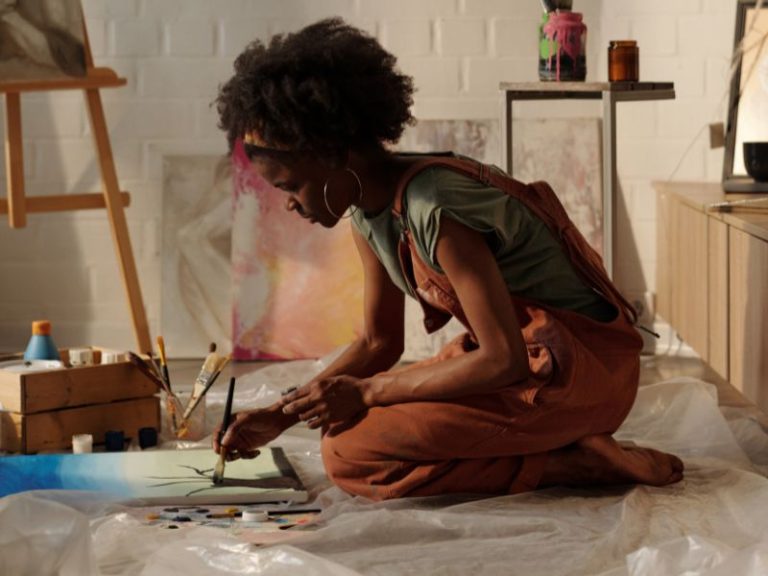
Art therapy is a form of psychotherapy that uses the creative process—drawing, painting, collage, sculpture, and other media—as part of treatment. Sessions are led by a trained mental health professional (an art therapist), and the focus is not on making “good art.” It’s about using creative expression to explore emotions, reduce stress, and build insight and coping skills.1
Some people find art therapy helpful when talking feels difficult. Creative work can help “externalize” thoughts and feelings—putting them outside of your head so you can look at them, name them, and work with them more safely.
Art therapy can be a primary therapy or a powerful addition
Art therapy may be used as a stand-alone approach for certain goals (like stress reduction, emotion expression, and self-esteem). It’s also commonly used alongside evidence-based therapies like CBT, DBT, trauma-focused therapy, or group therapy as part of a comprehensive treatment plan.
What makes art therapy different from an art class
- It’s clinically guided. The therapist helps connect the creative process to emotions, behaviors, and real-life coping.
- It’s trauma-informed and paced. The goal is to stay within a “window of tolerance,” so you can process without getting overwhelmed.
- It’s about meaning. You decide what your work means (or doesn’t mean). The goal is insight and growth—not interpretation or judgment.
What the research says
Research on art therapy is growing. Systematic reviews suggest art-based interventions may reduce symptoms like anxiety or depression in some populations, and creative arts-based interventions have been studied for trauma-related symptoms as well—though results can vary and more high-quality research is still needed.2-4
At Advanced Health and Education in Eatontown, New Jersey, art therapy is offered as part of our holistic approach to treatment. Creative expression can be especially valuable for clients working through PTSD, depression, anxiety, autism spectrum disorder with co-occurring mental health conditions, schizophrenia-spectrum conditions, and borderline personality disorder. Art therapy is available within our mental health and dual diagnosis programs across residential, PHP, and IOP levels of care.
How Art Therapy Works
Art therapy works by combining creative expression with therapeutic guidance. The creative process can help you:
- Identify and name emotions that feel confusing or intense
- Notice patterns (triggers, beliefs, coping habits) in a non-threatening way
- Practice emotion regulation while creating (slowing down, grounding, breathing)
- Build self-compassion and a more flexible self-image
- Improve communication—especially when words feel hard
Your therapist may invite you to reflect on the process (how it felt to create, what came up) and connect it to goals like coping with anxiety, trauma triggers, or relationship stress.
What to Expect in Art Therapy
- Structure: Sessions may be individual or group. Your therapist will explain the goal of each activity and how it connects to treatment.
- Materials: You may use simple, accessible materials—no art experience required.
- Processing: Some sessions include discussion of the artwork; others focus more on the experience of creating.
- Pace: Activities can be gentle (grounding, relaxation) or deeper (processing themes), depending on readiness and safety.
If you have sensory sensitivities, your therapist can adjust materials and structure to make the session more comfortable.
Benefits of Art Therapy
Benefits vary based on your goals, symptoms, and how the therapy is combined with other supports.
- Nonverbal emotional expression
- Stress reduction and grounding
- Insight and self-awareness
- Improved coping skills
- Trauma-sensitive processing
- Self-esteem and identity support
Conditions This Therapy May Help With
Art therapy is often used to support people coping with depression, anxiety, trauma-related symptoms, grief, stress, and substance use recovery. It may be especially helpful when traditional talk therapy feels overwhelming or when emotions are hard to describe.
Post-Traumatic Stress Disorder (PTSD)
PTSD develops after trauma and can include intrusive memories, avoidance, mood changes, and hypervigilance. At Advanced Health and Education in Eatontown, NJ, trauma-focused therapies like EMDR and CBT are central to our PTSD treatment approach.
Learn moreDepression
Depression is more than feeling sad—it’s a treatable mental health condition that can affect mood, sleep, energy, and daily functioning.
Learn moreAnxiety
Anxiety disorders go beyond everyday worry. They involve persistent fear or worry that’s out of proportion to the situation and hard to control.
Learn moreAutism Spectrum Disorder With Co-Occurring Mental Health
Autism spectrum disorder (ASD) is a neurodevelopmental condition, and many autistic people also experience anxiety, depression, PTSD, or substance use. Advanced Health and Education in Eatontown, NJ provides autism-informed mental health treatment tailored to individual needs.
Learn moreSchizophrenia and Schizoaffective Disorder
Schizophrenia and schizoaffective disorder are serious, treatable mental health conditions affecting perception, thinking, mood, and daily functioning. Advanced Health and Education in Eatontown, NJ provides residential-level schizophrenia treatment with structured psychiatric care.
Learn moreBorderline Personality Disorder (BPD)
Borderline personality disorder (BPD) is a treatable condition that affects emotion regulation, self-image, and relationships. Advanced Health and Education in Eatontown, NJ offers structured BPD treatment with evidence-based approaches including DBT.
Learn moreArt Therapy Research & Evidence
Growing evidence base
Research suggests potential benefit for anxiety/depression and trauma-related symptoms in some populations
Systematic reviews/meta-analyses
Evidence for art therapy is growing, with research suggesting potential benefits for emotional distress and quality of life in a variety of settings. Results can vary based on the population, therapist training, and treatment format.
- Systematic reviews have found mindfulness-based art therapy (MBAT) can improve symptoms like anxiety and depression in some populations with chronic medical conditions.2
- Meta-analyses of creative arts-based interventions (including art therapy) have explored effects on PTSD symptoms—particularly in children and adolescents—while also emphasizing the need for more rigorous, standardized studies.3,4
At Advanced Health and Education, art therapy is typically integrated into a broader treatment plan alongside evidence-based mental health and substance use therapies.
Frequently Asked Questions
Do I need to be “good at art” for art therapy to work?
No. Art therapy is not about talent or technique. The goal is expression, insight, and coping skills—not creating a perfect product.1
Is art therapy talk therapy?
It can include talking, but it doesn’t have to. Some people process through discussion; others benefit from the creative experience itself. Your therapist will tailor the approach to you.
Can art therapy help with trauma?
Art therapy may support trauma recovery when integrated into trauma-informed care and paced appropriately. Research on creative arts-based interventions for PTSD is growing, and more high-quality studies are still needed.3,4
Is art therapy used in inpatient and outpatient care?
Yes. Art therapy can be used in multiple levels of care—including inpatient, partial hospitalization, intensive outpatient, and outpatient therapy—depending on the program.
What if art materials feel overwhelming (sensory sensitivities)?
Your therapist can adjust materials, lighting, and structure. Sessions can be adapted to sensory needs and comfort level.
References
- American Art Therapy Association. About Art Therapy. Accessed February 10, 2026. https://arttherapy.org/about-art-therapy/
- Newland PK, Bettencourt BA. Effectiveness of mindfulness-based art therapy for symptoms of anxiety, depression, and fatigue: a systematic review and meta-analysis. Complement Ther Clin Pract. 2020;41:101246. doi:10.1016/j.ctcp.2020.101246
- Nature Mental Health. Creative arts-based interventions for the improvement of PTSD symptoms in young people: a meta-analysis with a focus on non-Western populations. Nature Ment Health. 2025;3:1616-1632. doi:10.1038/s44220-025-00543-y
- Ho RT, et al. On the effectiveness of visual arts therapy for traumatic experiences: a systematic review and meta-analysis. Clin Psychol Psychother. 2024;31:e3041. doi:10.1002/cpp.3041
Medically Reviewed By

Primary Therapist
Kaitlyn Ruitenberg, LCSW, is a Primary Therapist at Advanced Health and Education specializing in substance use and co-occurring mental health treatment. Drawing from both professional training and personal recovery experience, she utilizes a person-centered approach and Cognitive Behavioral Therapy (CBT) to help clients find balance, resilience, and sustainable healing. Kaitlyn is passionate about supporting individuals and families navigating addiction and life transitions.
Last reviewed: February 10, 2026
Is Art Therapy Right for You? Learn More in Eatontown, NJ
Our team at Advanced Health and Education in Eatontown, NJ can help you understand how art therapy fits into a personalized treatment plan and which level of care makes the most sense. Call (844) 302-8605.
Call: (844) 302-8605 Contact UsOur Treatment Programs
Art Therapy is available in both of our specialized treatment tracks:
Is Art Therapy Right for You? Learn More in Eatontown, NJ
Our clinical team can help you understand if this therapy is a good fit for your needs and explain how it integrates into our treatment programs.